






 Åland (excl. vat)
 Austria
 Belgium
 Bulgaria
 Croatia
 Czech Republic
 Denmark
 Estonia
 Finland
 France
 Germany
 Greece
 Hungary
 Ireland
 Italy
Italy Latvia
 Lithuania
 Netherlands
 Norway
 Poland
 Portugal
 Romania
 Slovakia
 Slovenia
 Spain
Spain Sverige
 Switzerland (excl. vat)
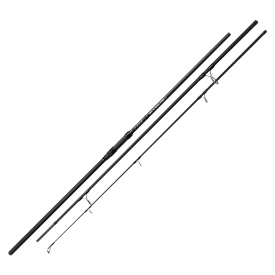
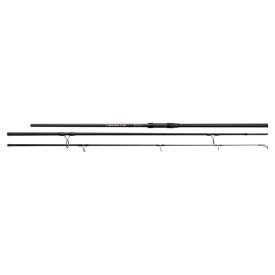
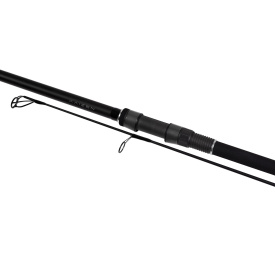
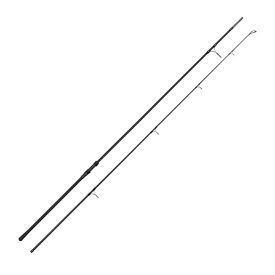
Carp Fishing Rods
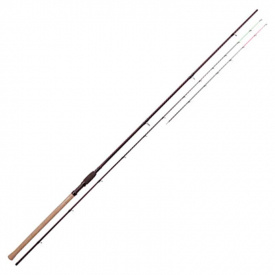
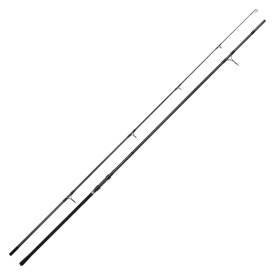
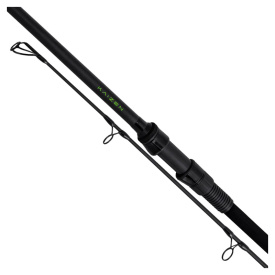
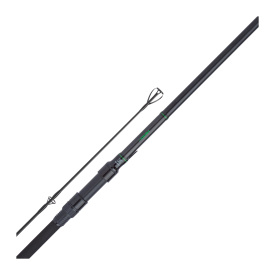
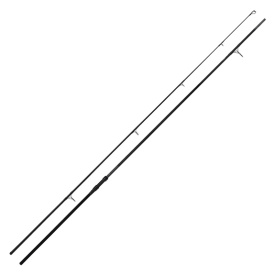
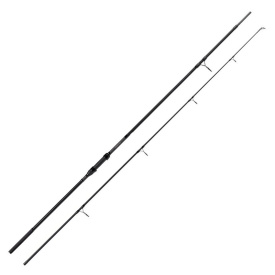
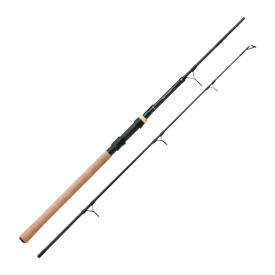
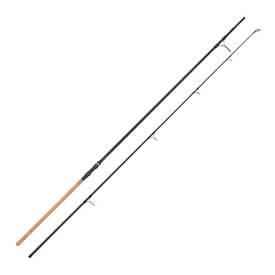
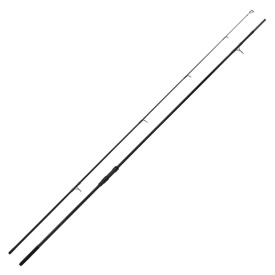
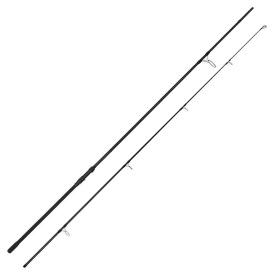
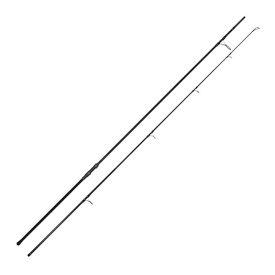
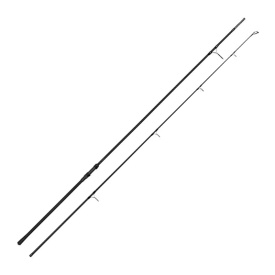
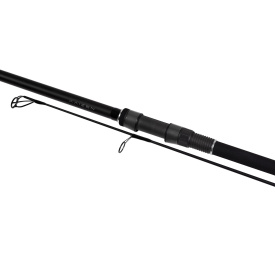
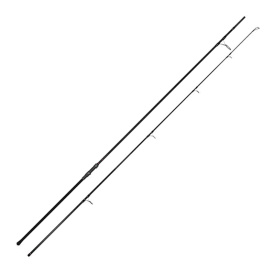
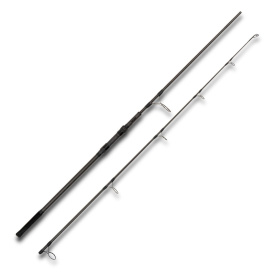
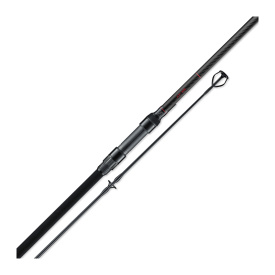
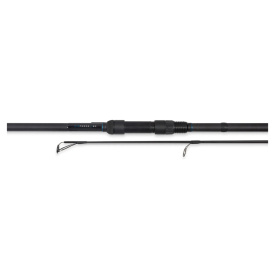
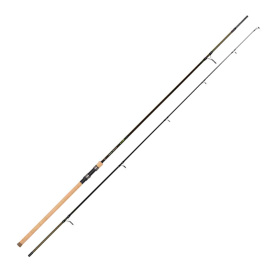
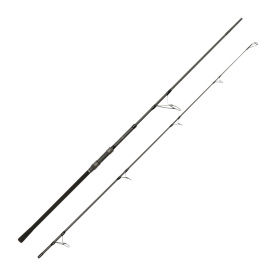
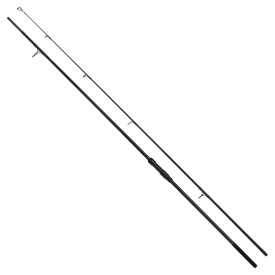
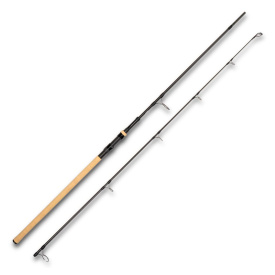
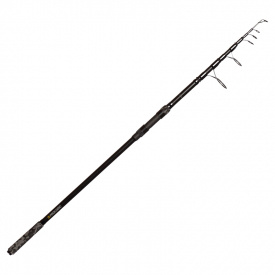
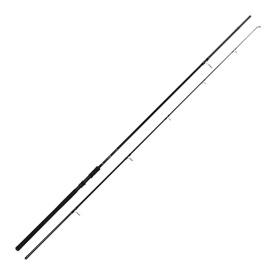
Carp fishing rods are built for one thing: control under pressure. Long casts. Heavy leads. Strong fish that don’t give much away. It’s a different pace compared to lure fishing — slower, more deliberate — but when it happens, it really happens. Most carp rods sit on the longer side, typically around 10–13 ft, giving both casting reach and leverage during the fight. That extra length helps when fishing at distance or steering fish around snags. Still, shorter rods have their place too. Tight swims, smaller waters, boat work — they can feel a lot more manageable there.
Test curve is the key spec here. It tells you how much power the rod carries, but it doesn’t tell the whole story. A 3 lb rod from one brand can feel quite different from another. Some load smoothly and send leads flying with very little effort. Others feel stiffer, more direct — better suited for punching heavy setups far out. It’s not always obvious on paper, which is why choosing can feel a bit… guessy at times. In practice, lighter rods tend to suit smaller waters and more forgiving fights, while heavier models are made for distance, bigger leads, and more demanding situations. Simple enough, but there’s always overlap.
If the goal is consistent casting and proper control when it counts, it’s worth matching the rod to the exact type of fishing rather than going “middle of the road”. That compromise rarely feels right on the bank.
FAQ
What is a carp fishing rod?
A carp fishing rod is a long, powerful rod designed for casting heavier leads and handling strong fish at distance. It is built to combine casting performance with control during long fights.
What does test curve mean on a carp rod?
Test curve measures how much weight is needed to bend the rod to a 90-degree angle. It gives an indication of the rod’s power, with higher values generally suited for longer casts and heavier setups.
What length carp rod should you choose?
Most carp rods are between 10 and 13 ft. Longer rods offer better casting distance and line control, while shorter rods are easier to handle in tight swims or when fishing from a boat.
What test curve is best for carp fishing?
Lighter test curves are suited for smaller waters and shorter distances, while heavier test curves handle larger leads and longer casting. The right choice depends on fishing distance, rig weight, and conditions.