






 Åland (excl. vat)
 Austria
 Belgium
 Bulgaria
 Croatia
 Czech Republic
 Denmark
 Estonia
 Finland
 France
 Germany
 Greece
 Hungary
 Ireland
 Italy
Italy Latvia
 Lithuania
 Netherlands
 Norway
 Poland
 Portugal
 Romania
 Slovakia
 Slovenia
 Spain
Spain Sverige
 Switzerland (excl. vat)
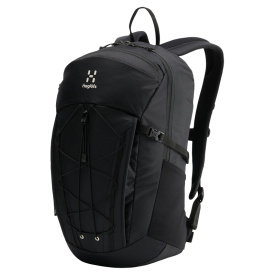
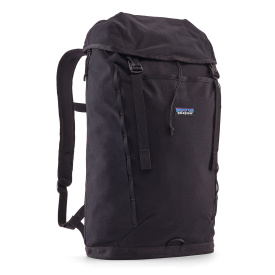
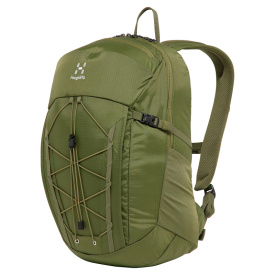
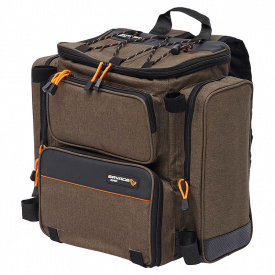
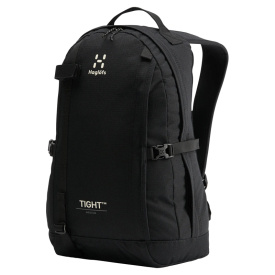
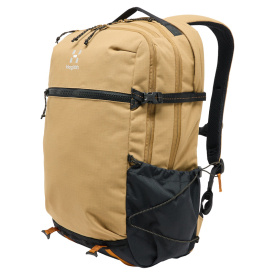
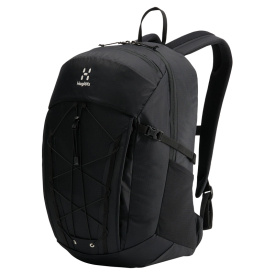
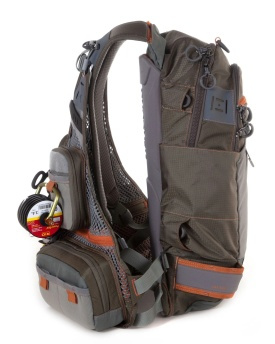
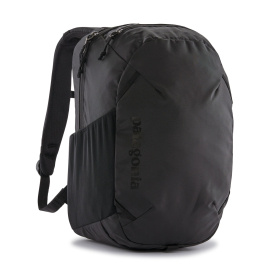
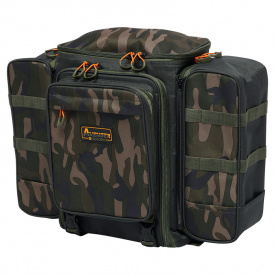
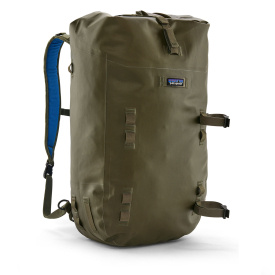
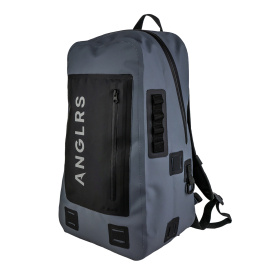
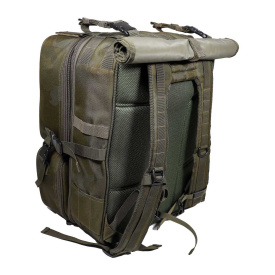
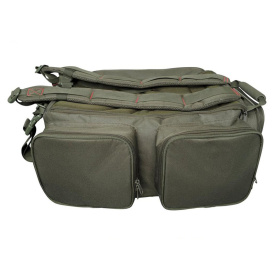
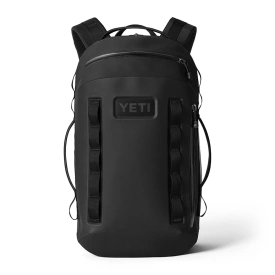
Backpacks
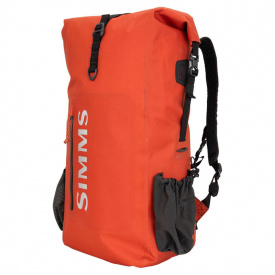
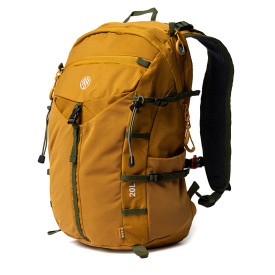
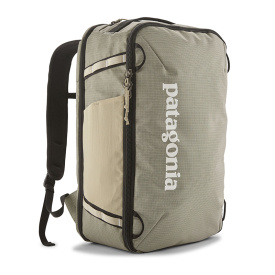
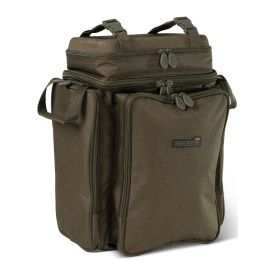
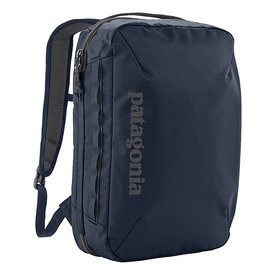
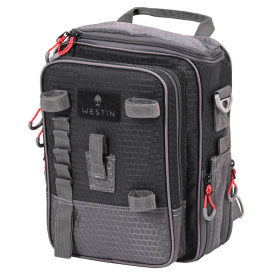
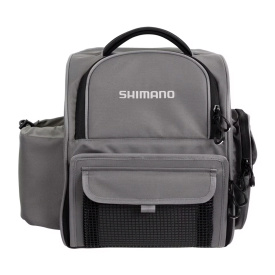
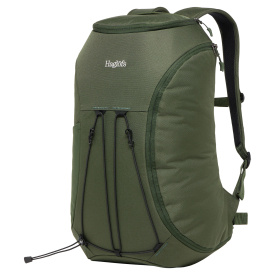
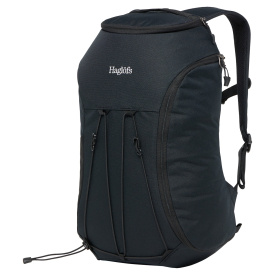
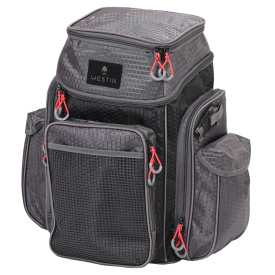
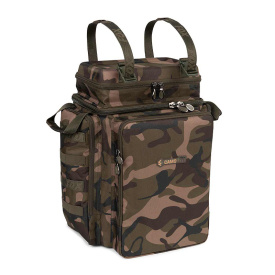
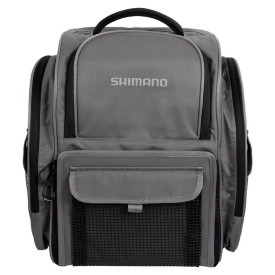
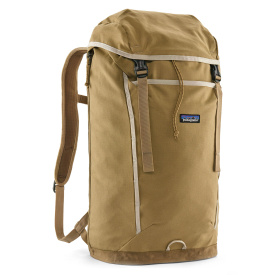
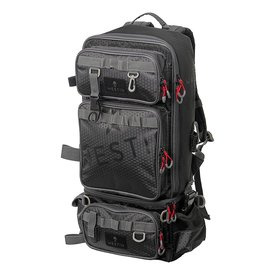
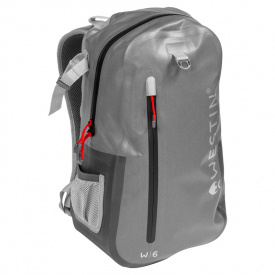
Backpacks built to be carried properly, not just to hold gear. They sit right, keep things organised and cut down on the kind of mess that slows everything down.
Quick session or a full day out, the right backpack makes a difference almost immediately. Weight is distributed better. Gear stays within reach. And you keep moving instead of stopping every few minutes to dig around.
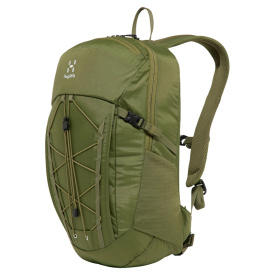
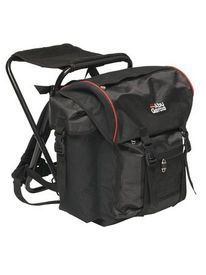
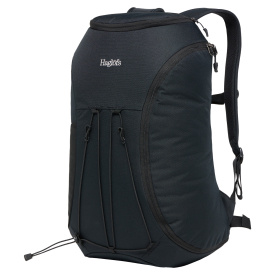
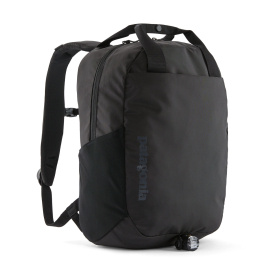
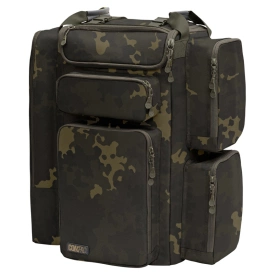
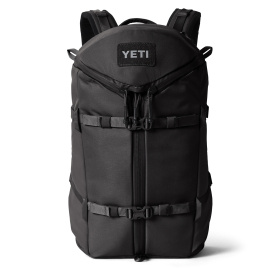
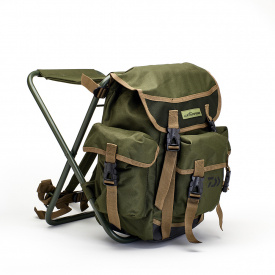
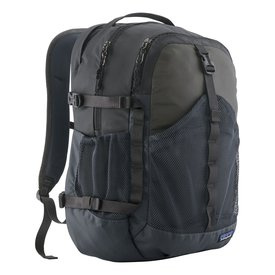
Here you’ll find daypacks for lighter use, more structured hiking backpacks, and practical chair backpacks when time on the spot matters. Different setups for different situations – that’s the whole idea.
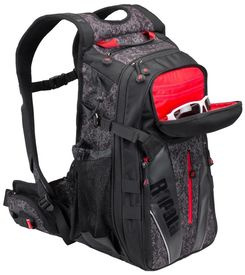
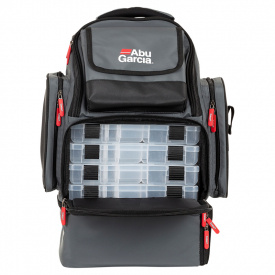
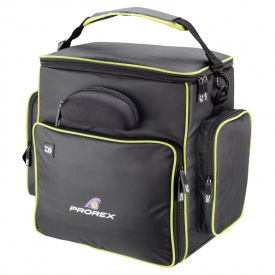
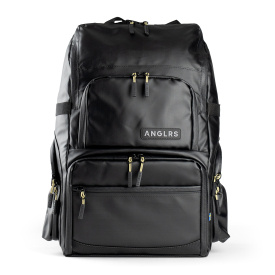
If you’re after something more purpose-built for fishing, with quicker access and storage designed around tackle, there’s a separate range of fishing backpacks to look at.
Short trip. Long day. Same principle – a good backpack keeps things simple and lets you focus on what you’re actually out there to do.
Common questions about backpacks
What size backpack should you choose?
It mainly comes down to how long you’re out and how much you need to carry. Around 10–20 litres works for short sessions with minimal gear. 20–30 litres covers most full days. Step up to 30–50 litres if you need extra clothing, food or more equipment.
What size works for a day trip?
For a typical day out, 20–30 litres is enough for most situations. It gives you the space you need without becoming bulky or tiring over time.
When should you go for a larger backpack?
Once you move into 30–50 litres, you’re looking at backpacks designed for carrying more gear over longer days. Organisation improves, but comfort depends more on having a solid carry system.
When do you need a 60–80 litre backpack?
Backpacks in the 60–80 litre range are mainly for multi-day trips with overnight stays. That’s when you need space for sleeping gear, clothing, food and extra equipment. For day use, they’re usually more than you need.
Is a smaller backpack better when you’re on the move?
In most cases, yes. A smaller pack sits closer to your body, weighs less and makes it easier to move between spots or cover longer distances without fatigue building up too quickly.
 Beige
(2)
Beige
(2)
 Black
(45)
Black
(45)
 Blue
(7)
Blue
(7)
 Brown
(3)
Brown
(3)
 Green
(18)
Green
(18)
 Grey
(16)
Grey
(16)
 Multicolored
(2)
Multicolored
(2)
 Orange
(6)
Orange
(6)
 Purple
(1)
Purple
(1)
 Silver
(3)
Silver
(3)
 Yellow
(1)
Yellow
(1)