






 Åland (excl. vat)
 Austria
 Belgium
 Bulgaria
 Croatia
 Czech Republic
 Denmark
 Estonia
 Finland
 France
 Germany
 Greece
 Hungary
 Ireland
 Italy
Italy Latvia
 Lithuania
 Netherlands
 Norway
 Poland
 Portugal
 Romania
 Slovakia
 Slovenia
 Spain
Spain Sverige
 Switzerland (excl. vat)
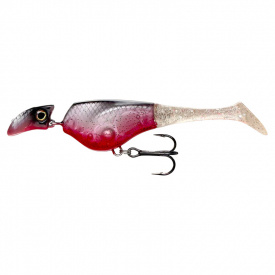
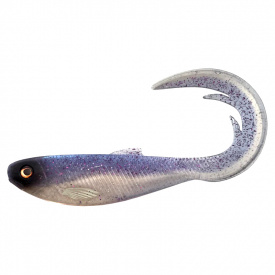
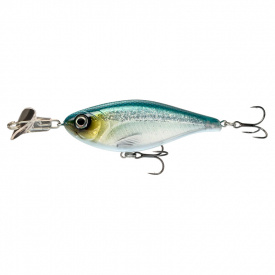
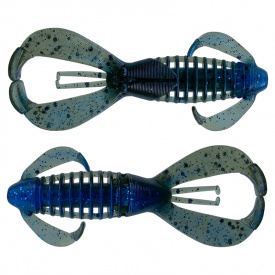
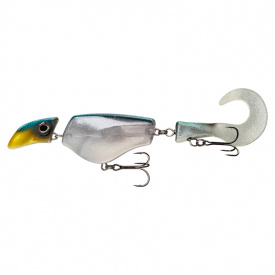
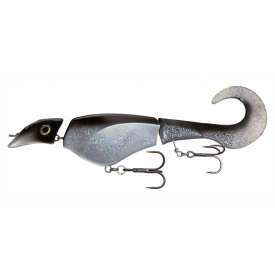
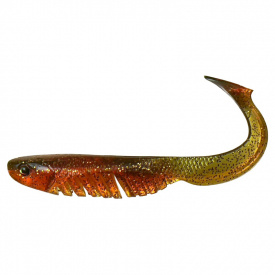
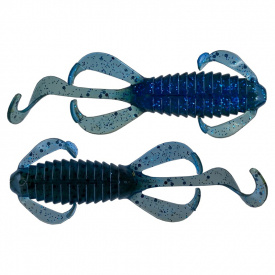
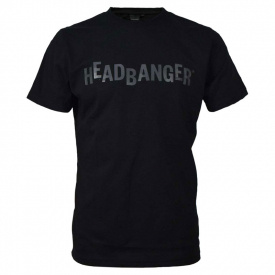
Headbanger
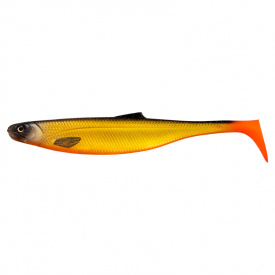
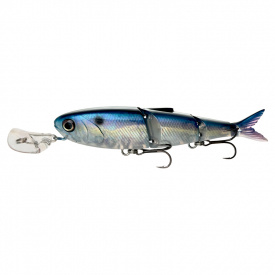
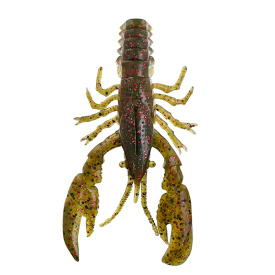
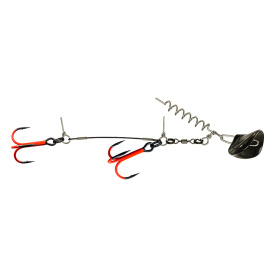
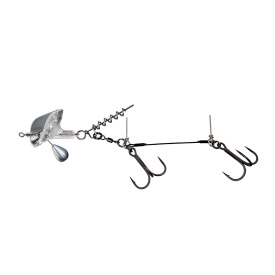
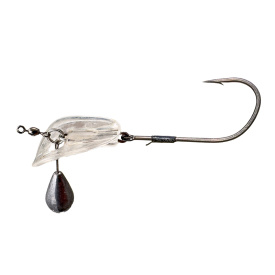
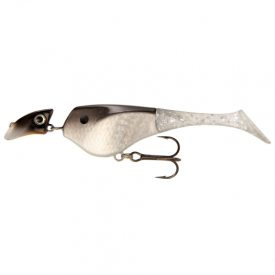
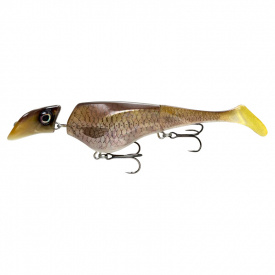
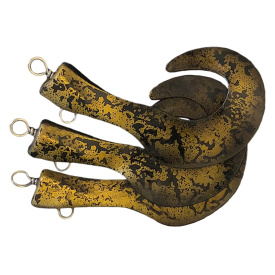
Headbanger is built on a simple idea. Fishing should create memories that stick. Not just fish counts, but moments—the kind that replay long after the season ends. Since 2015, the brand has focused on predator anglers who expect more from their gear. Not louder. Not flashier. Just smarter movement in the water.
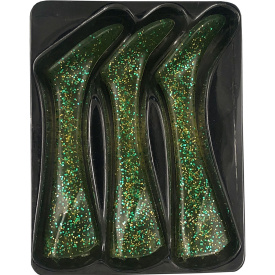
The difference shows immediately. These lures don’t track in predictable loops or mechanical patterns. Instead, they break rhythm. Shift direction. Stall, dart, and recover in a way that feels… slightly off. And that’s exactly the point. Predators react to weakness, not perfection. That uneven motion often triggers strikes when standard lures fall flat.
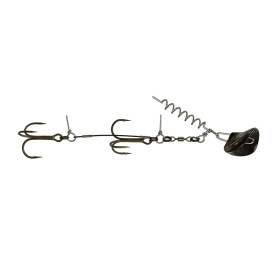
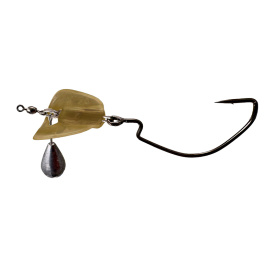
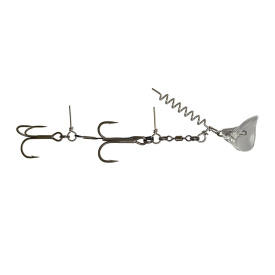
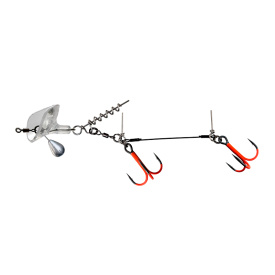
The story starts in Sweden. Artist and angler Dan Lestander spent years searching for a long-casting lure with a non-repeating action—something that simply didn’t exist at the time. After four years of testing, shaping, and refining more than 50 handcrafted prototypes, a new type of construction emerged. Patented. Different. A bit unconventional, honestly.
Today, that same thinking runs through the entire range. Headbanger lures are designed to interact with water in a more lifelike way, imitating stressed or injured prey rather than clean, predictable swimmers. It’s not always subtle—but it’s rarely ignored.
Questions fréquentes
What is Headbanger Lures known for?
Headbanger Lures is known for its patented lure construction that creates an irregular, non-repeating swimming action. This design mimics injured or stressed prey more realistically than traditional lures, often triggering strikes from pressured or cautious predator fish.
What makes Headbanger lures different from traditional lures?
Unlike conventional lures that move in consistent patterns, Headbanger lures shift unpredictably in the water. That variation—small pauses, sudden changes in direction, uneven movement—makes them stand out, especially when fish have seen the usual presentations too many times.
What species are Headbanger lures suitable for?
These lures are primarily designed for predator species such as pike, perch, and zander. The erratic action is particularly effective in situations where fish are pressured or feeding selectively, though they can perform well across a wide range of conditions.
When should Headbanger lures be used?
They shine when standard lures stop producing. Clear water, high fishing pressure, or inactive fish—those tricky sessions. The unpredictable movement can provoke reaction strikes when more uniform presentations are ignored.